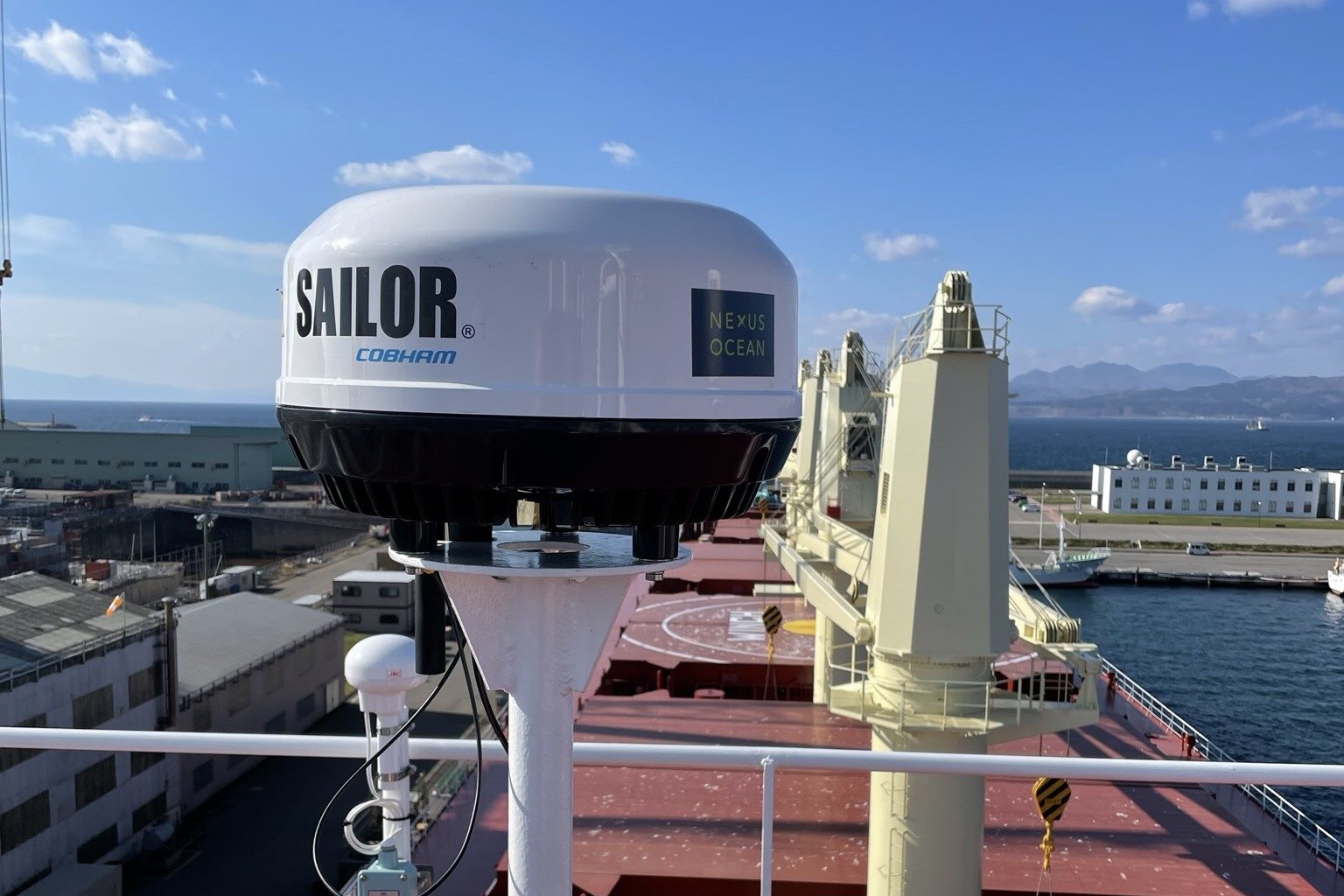
Modern maritime operations depend on continuous, predictable connectivity. Vessels operate across changing coverage zones, while operational, IT and crew demands continue to increase. NexusOcean approaches connectivity as a managed, fleet-wide system, designed to deliver reliability, control and transparency rather than standalone connections.
We do not focus on individual links or providers. Instead, we design hybrid connectivity architectures that combine multiple technologies into one coherent network. This ensures vessels remain connected across routes and conditions, while costs, performance and risk stay manageable at fleet level.
Hybrid connectivity as the foundation
No single network delivers consistent performance worldwide. NexusOcean therefore builds hybrid networks that intelligently combine multiple connectivity technologies into one managed environment. Traffic is routed automatically based on availability, priority and policy, ensuring continuity of operations even when individual links degrade or become unavailable.
Hybrid connectivity reduces dependency on single providers, improves resilience and allows fleets to balance performance, redundancy and cost without adding operational complexity.

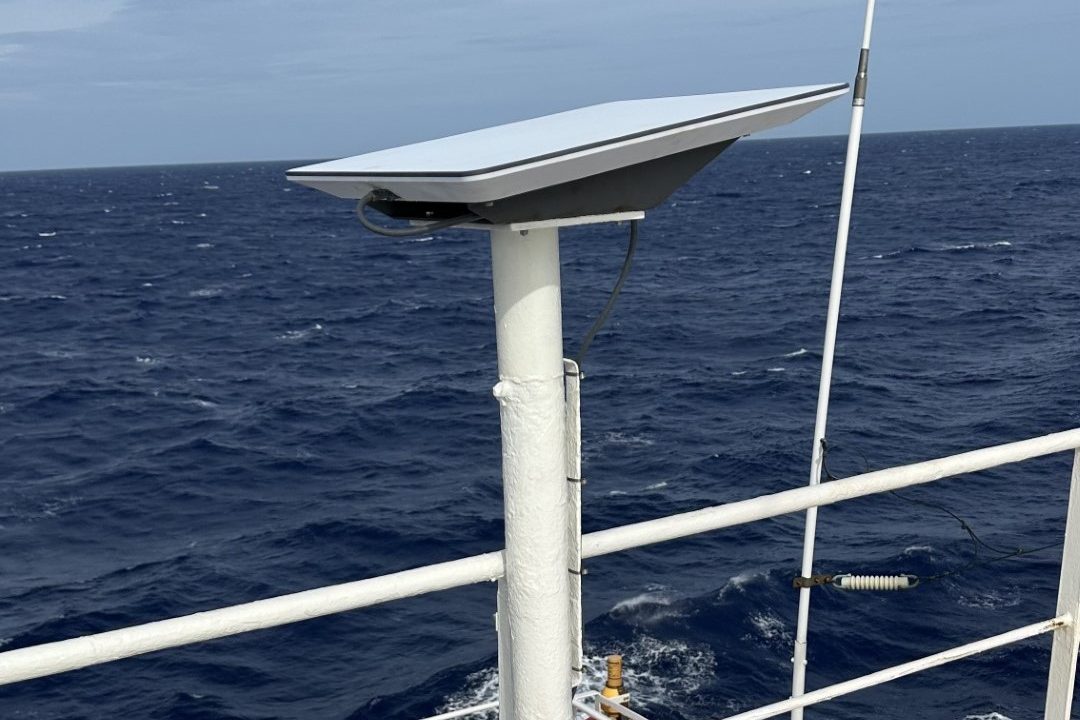
LEO satellite Networks:
Starlink and OneWeb
Low Earth Orbit satellite networks have fundamentally changed what is possible at sea. High bandwidth and low latency enable cloud applications, remote support and modern crew connectivity.
NexusOcean integrates Starlink and OneWeb as part of a managed, hybrid network rather than deploying them as standalone solutions. By combining LEO with other links such as VSAT and 5G, fleets gain true diversity, regulatory resilience and operational continuity. Centralised monitoring and pooled data usage provide fleet managers with visibility and control, while finance teams benefit from predictable OPEX instead of fragmented per-vessel contracts.
LEO connectivity delivers value at scale only when properly managed. That is the difference between consumer-grade access and enterprise-grade maritime connectivity.
5G connectivity
for coastal operations
Where available, 5G provides high-speed, low-latency connectivity in coastal areas and ports. NexusOcean integrates 5G as part of the hybrid network, enabling vessels to automatically leverage terrestrial connectivity when in range. This allows for efficient data transfers, updates and planning activities without consuming satellite capacity unnecessarily.
VSAT for global coverage and stability
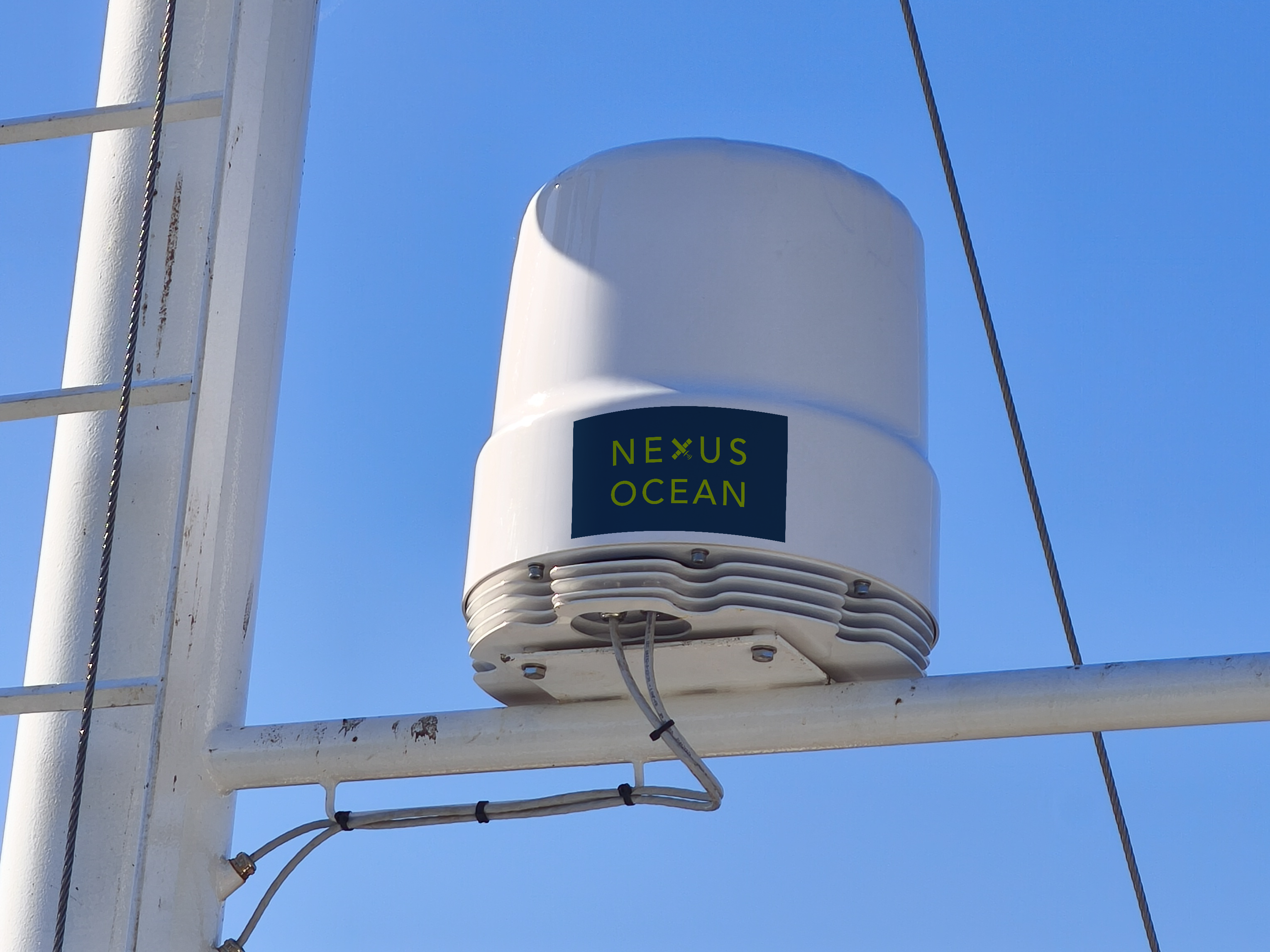
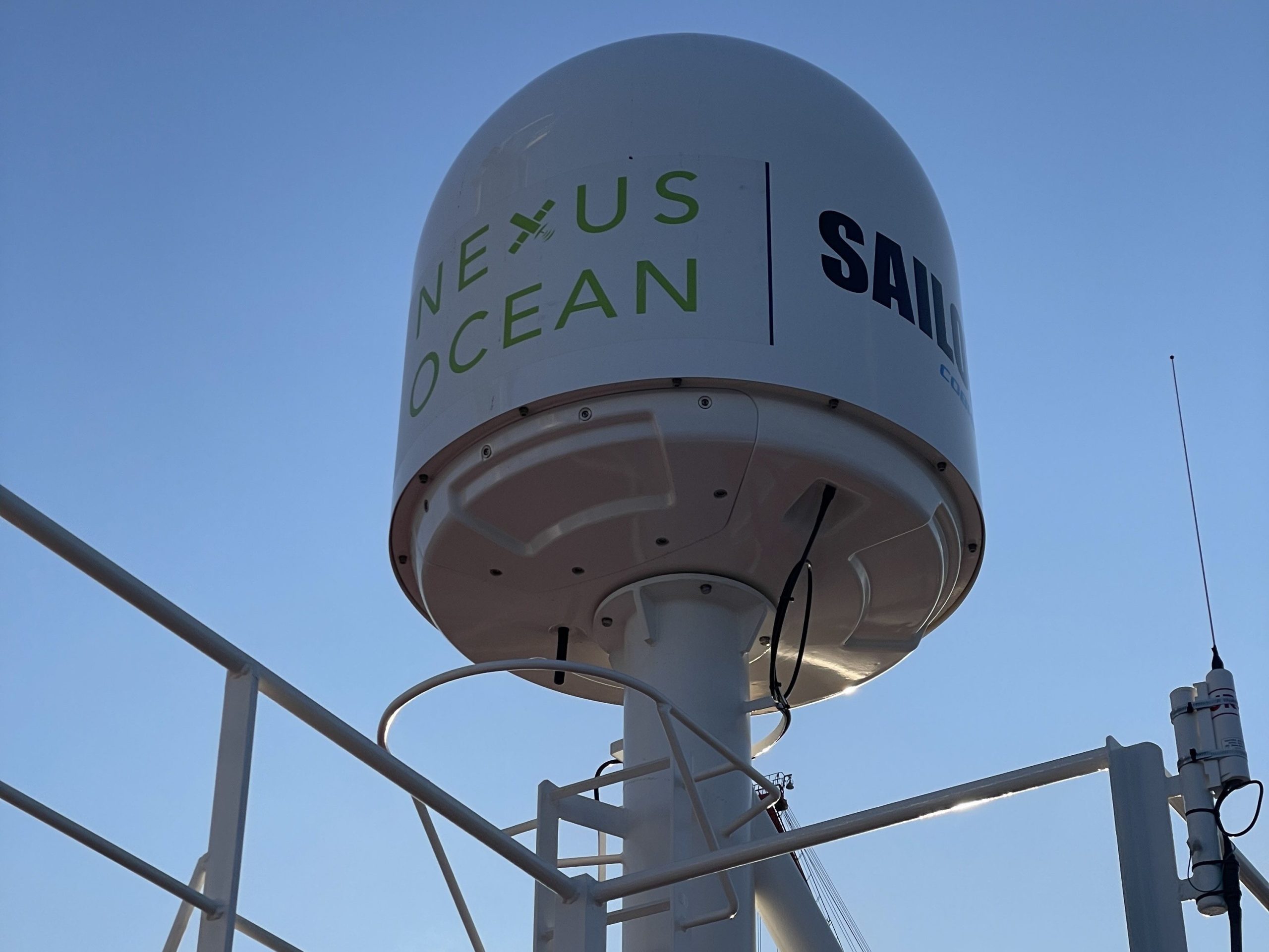
VSAT remains a proven component in global maritime connectivity. It delivers consistent coverage across major shipping routes and provides predictable performance and costs. Within a hybrid architecture, VSAT often serves as a stable backbone or backup, supporting continuity where other networks are limited or restricted.
Iridium for critical communications
For operations in remote and polar regions, Iridium provides reliable global coverage. It is commonly used for safety, emergency communication and critical fallback scenarios. NexusOcean integrates Iridium as part of the overall connectivity strategy to ensure essential communications remain available under all conditions.